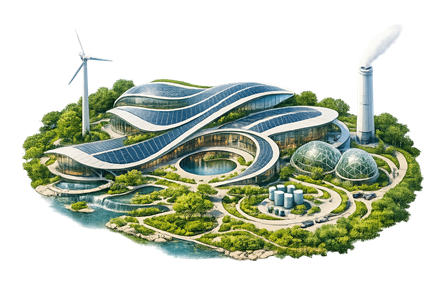
These next-generation roads promise to be smarter, greener, safer, and more interactive than ever before.
Roads have always shaped civilization. From the stone pathways of ancient empires to modern expressways, infrastructure has determined how societies grow, trade, and connect. Today, as cities expand and mobility demands increase, the concept of futuristic roads is transforming from imagination into innovation. These next-generation roads promise to be smarter, greener, safer, and more interactive than ever before.
One of the most revolutionary ideas is the development of smart roads—highways integrated with digital sensors, communication systems, and responsive surfaces.
These roads can:
With the rise of autonomous vehicles, smart roads will communicate directly with cars, reducing accidents and improving traffic efficiency. This vehicle-to-infrastructure (V2I) communication will become as common as GPS navigation is today.
Countries such as the Netherlands have already experimented with glow-in-the-dark road markings and temperature-sensitive paint that indicates icy conditions.
Imagine roads that generate electricity.
Solar road panels are designed to replace traditional asphalt with durable, photovoltaic surfaces that produce renewable energy. These panels can power:
In a country like India, where sunlight is abundant in many regions, solar-integrated roads could significantly support sustainable energy goals.
Potholes are a universal problem. Futuristic roads aim to eliminate them using self-healing materials.
Scientists are developing asphalt mixed with steel fibers or bacteria-based compounds that repair cracks automatically when exposed to heat or moisture. This innovation reduces:
Self-healing roads could dramatically extend the lifespan of highways and reduce the economic burden of frequent repairs.
Electric vehicles (EVs) are becoming the future of transportation. But charging infrastructure remains a challenge.
Wireless charging roads use electromagnetic induction technology embedded beneath the surface. As EVs drive over these lanes, they charge automatically—no cables required.
Countries like Sweden are already testing electrified road systems that charge vehicles while in motion. This could eliminate “range anxiety” and make electric transportation more practical for long-distance travel.
Future roads must withstand extreme weather caused by climate change. Engineers are now designing:
In coastal and flood-prone regions, elevated smart highways may become common to prevent water damage and ensure uninterrupted mobility.
Sustainability is no longer optional—it is essential.
Artificial Intelligence will play a central role in future road networks.
AI systems will:
By analyzing real-time data from millions of vehicles, AI can create a smoother, safer driving environment. Over time, traffic jams may become rare rather than routine.
Futuristic roads may include LED-based lane markings that adjust dynamically. Lanes could change direction during peak hours. Road surfaces might display warnings or navigation instructions directly on the pavement.
This concept has been explored in innovative projects in the United States and parts of Europe, signaling a shift toward roads that “think” and respond.
While traditional roads evolve, entirely new transport corridors are emerging. The concept of high-speed tube travel popularized by Elon Musk envisions ultra-fast transport systems moving at airline speeds on land.
Though still experimental, such ideas redefine what “roads” may mean in the future—not just surfaces for cars, but intelligent corridors of mobility.
Enhanced Safety – Reduced accidents through real-time monitoring.
Energy Efficiency – Roads that produce renewable power.
Lower Maintenance Costs – Self-healing materials.
Environmental Sustainability – Reduced carbon emissions.
Improved Urban Planning – Smarter traffic management.
Despite the promise, several obstacles remain:
Governments, engineers, and private companies must collaborate to make these innovations practical and scalable.
Futuristic roads are more than engineering projects—they are symbols of how societies choose to move forward. They represent the intersection of technology, sustainability, and human ambition.
In the coming decades, roads will no longer be passive surfaces of asphalt. They will generate energy, communicate with vehicles, repair themselves, and adapt to traffic patterns in real time.
The future of mobility is not just about faster cars—it is about smarter infrastructure.
And the journey has already begun.